
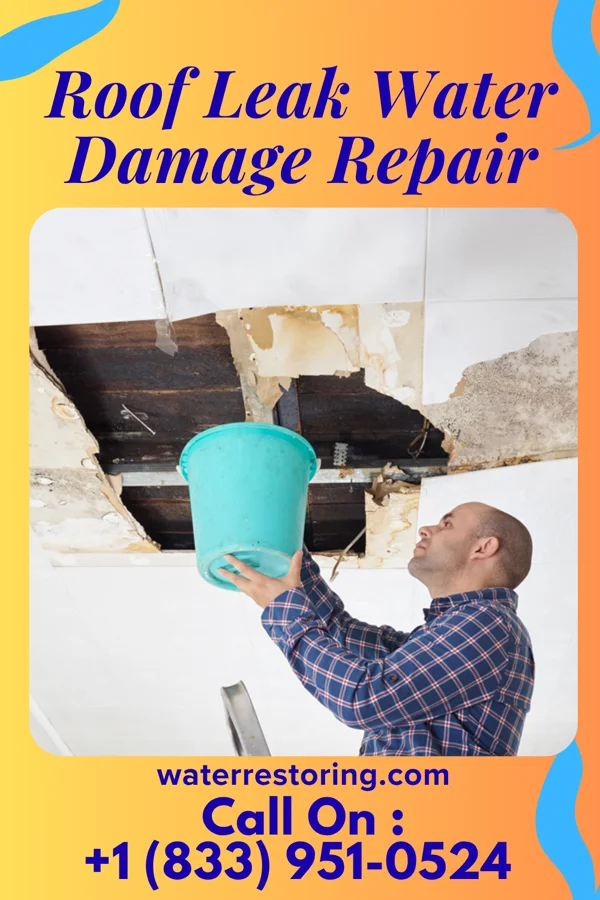
Active Roof Leak Containment in Maitland
Most water damage emergencies in Maitland start with Maitland, Missouri experiences frequent thunderstorms and heavy rainfall during the spring and summer months, which can lead to sudden roof leaks. The region's flat terrain and lack of natural drainage can cause water to pool around homes, increasing the risk of water infiltration through damaged roofing materials.. A close second is In the fall, strong winds and occasional heavy rain can exacerbate existing roof damage, particularly around older or poorly maintained shingle roofs. Winter snowmelt can also contribute to water damage if gutters are clogged or improperly installed.. From the second water touches the property, every minute changes what gets saved and what gets ripped out.
Maitland's climate, characterized by hot, humid summers and mild winters, creates an environment where moisture can linger on roofing surfaces, leading to mold growth and structural damage over time. The region's rural setting means that many homes are more exposed to the elements and may lack modern waterproofing features.
Maitland's climate, characterized by hot, humid summers and mild winters, creates an environment where moisture can linger on roofing surfaces, leading to mold growth and structural damage over time. The region's rural setting means that many homes are more exposed to the elements and may lack modern waterproofing features. The dominant local driver is Maitland, Missouri experiences frequent thunderstorms and heavy rainfall during the spring and summer months, which can lead to sudden roof leaks. The region's flat terrain and lack of natural drainage can cause water to pool around homes, increasing the risk of water infiltration through damaged roofing materials., with In the fall, strong winds and occasional heavy rain can exacerbate existing roof damage, particularly around older or poorly maintained shingle roofs. Winter snowmelt can also contribute to water damage if gutters are clogged or improperly installed. showing up as the next most common cause. Damage builds in stages. Spread. Absorption. Microbial growth. Structural compromise. Every stage you pass through adds to the final bill.
For public guidance on the health effects of mold after prolonged water exposure, see the EPA mold and health page.